MZPlay Game Hub Delivers Countless Gambling and Gaming Options
In the contemporary gambling industry, platforms are no longer simple repositories of casino games. They operate as integrated digital ecosystems designed to centralize multiple forms of gambling and interactive entertainment. MZPLAY game hub exemplifies this structural shift. Rather than existing as a standalone gaming site, it functions as a convergence point where casino titles, live dealer tables, and sports wagering interfaces coexist within a unified architecture.
In practical terms, the “hub” concept is about integration. Game engines, user databases, financial tools, and content providers operate within a coordinated backend environment. The result is a digital infrastructure designed for fluid movement between entertainment categories while maintaining operational efficiency and data security.
Platform Architecture and Core Infrastructure
Behind the user-facing interface lies a layered technical framework. Modern gaming hubs rely on structured backend systems that support real-time data processing, secure authentication, and game outcome management.
For casino content, this often includes Random Number Generator (RNG) validation mechanisms to ensure statistical fairness in digital table games and slots. In live dealer environments, streaming servers and latency optimization tools maintain synchronized gameplay between studio dealers and remote participants. MZPLAY’s architectural model, integrates several core modules:
- Odds management engines for sports betting markets.
- Account and wallet management tools for deposits, withdrawals, and balance tracking.
- Security protocols, including encryption layers and fraud detection algorithms.
These components must operate cohesively. Even minor delays in odds updates or transaction confirmations can undermine user confidence.
User Experience Design and Interface Strategy
Technology alone does not define competitiveness; usability is equally influential. A centralized gaming hub must balance functionality with intuitive design. Clear navigation, categorized game libraries, responsive betting panels, and streamlined payment workflows reduce cognitive load for users.
Cross-device compatibility is another strategic factor. Players expect consistent performance whether accessing the platform via desktop browsers, tablets, or mobile devices.
By analyzing usage patterns, platforms can refine layout priorities and content visibility, enhancing retention while maintaining transparent operational practices.
Security, Regulation, and Responsible Gaming
Within regulated gambling environments, platform credibility depends heavily on compliance. Licensing frameworks, jurisdictional requirements, and responsible gaming protocols shape how centralized hubs operate. Transparent terms and conditions, identity verification procedures, and anti-money laundering safeguards form part of the compliance architecture.
Security infrastructure extends beyond regulatory checklists. Encryption standards protect financial data during transactions, while monitoring systems detect irregular betting patterns or account anomalies.
Equally important is responsible gaming integration. Modern platforms are expected to provide tools such as deposit limits, session reminders, self-exclusion options, and access to support resources. Embedding these controls directly into the account management system reflects an industry-wide emphasis on player protection and sustainable participation.
Real-Time Performance and Market Adaptability
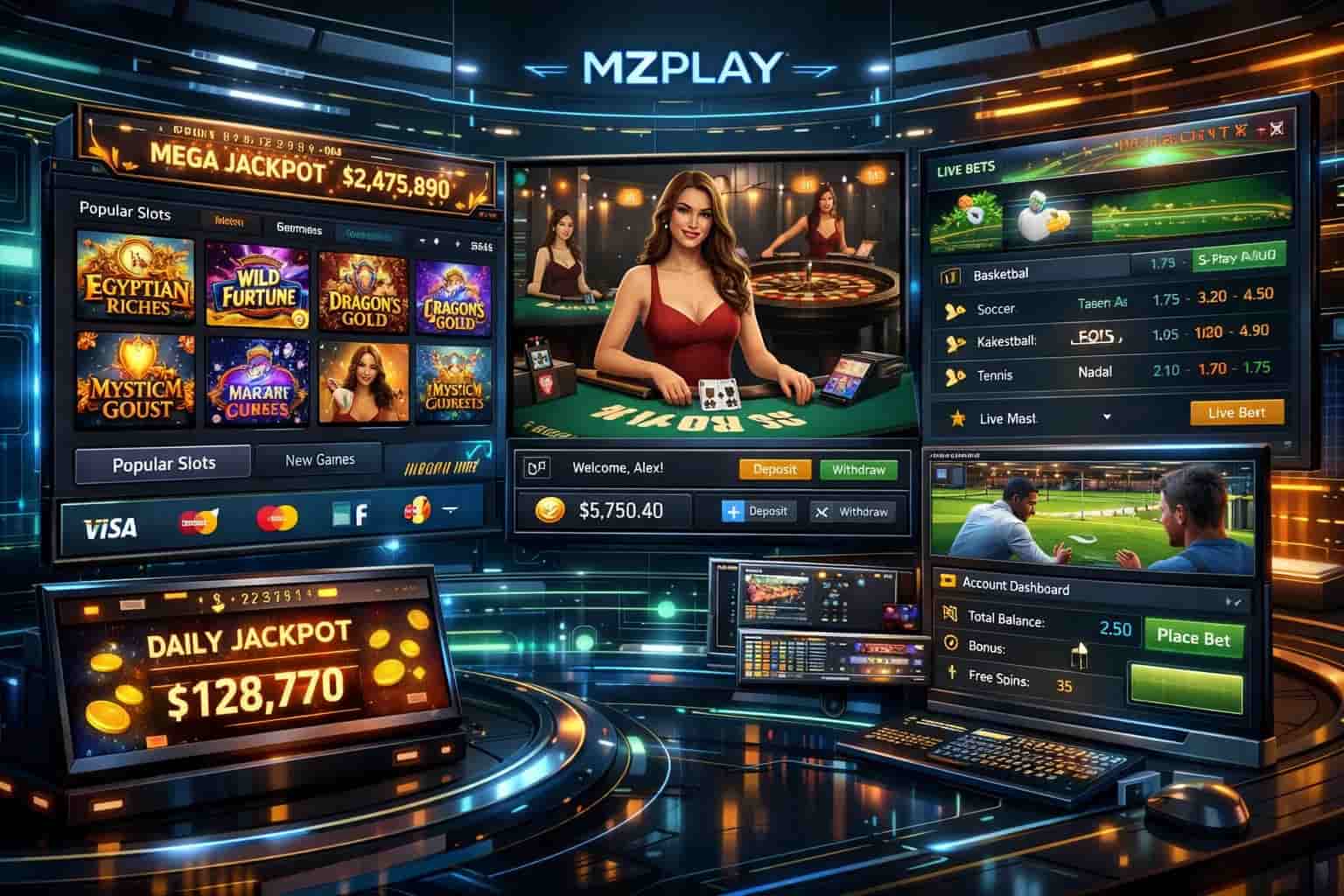
The defining characteristic of a centralized hub is its ability to operate dynamically. Sports betting markets fluctuate in real time. Achieving this responsiveness demands efficient data pipelines and automated system coordination. As the digital gambling hubs continue to evolve, platforms such as MZPLAY illustrate how technological integration shapes competitive positioning.
Ultimately, understanding such platforms requires looking beyond surface-level game offerings. They are not merely collections of entertainment products but complex digital systems operating at the intersection of technology, regulation, and interactive media.